Best Deals on RF Absorbers & Shielding Rooms
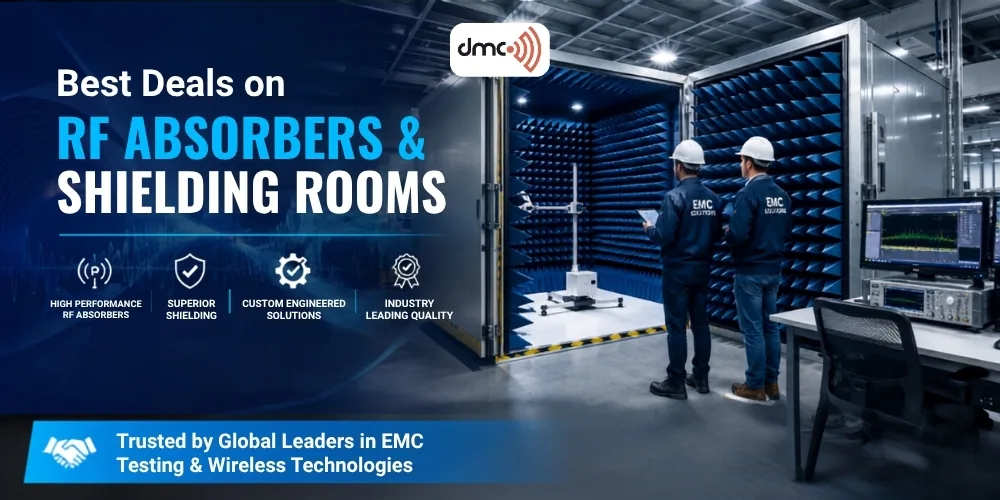
Table of Contents
- Understanding RF Absorbers
- Why Quality Matters
- Industries That Benefit from RF Shielding Rooms
- Why Partner with Experienced Manufacturers
As wireless technologies continue to expand across industries, the demand for reliable RF testing environments has never been greater. Whether you're involved in EMC testing, aerospace engineering, telecommunications, defense systems, automotive electronics, or IoT product development, investing in high-quality RF absorbers and shielding rooms is critical for achieving accurate test results.
Finding the best deals on RF absorbers and shielding rooms is about more than simply choosing the lowest price. The right solution should offer excellent shielding effectiveness, long-term durability, compliance with international standards, and a strong return on investment.
In this guide, we'll explore what RF absorbers and shielding rooms are, their benefits, factors affecting pricing, and how organizations can secure the best deals without compromising performance.
Understanding RF Absorbers
RF absorbers are specialized materials designed to absorb electromagnetic energy and minimize reflections within a testing environment. They play a vital role in EMC chambers, anechoic chambers, and shielded enclosures.
These absorbers help create a controlled electromagnetic environment where engineers can perform accurate measurements and compliance testing.
Common RF absorber types include:
- Pyramidal absorbers
- Hybrid absorbers
- Ferrite tile absorbers
- Broadband absorbers
- High-power RF absorbers
Each type serves different frequency ranges and testing requirements.
What Are Shielding Rooms?
Shielding rooms, often referred to as RF shielded rooms or EMC chambers, are specially constructed environments that prevent electromagnetic interference from entering or leaving the test area.
These rooms are essential for:
- EMC compliance testing
- Military and defense testing
- Wireless device validation
- Medical equipment testing
- Automotive electronics testing
- Research laboratories
By blocking unwanted RF signals, shielding rooms ensure test accuracy and repeatability.
Why Quality Matters
Many organizations focus solely on upfront costs when purchasing RF absorbers and shielding rooms. However, poor-quality materials can lead to:
- Reduced shielding effectiveness
- Measurement inaccuracies
- Frequent maintenance costs
- Compliance failures
- Reduced equipment lifespan
Investing in premium solutions from trusted manufacturers can significantly lower operational costs over time.
Key Factors Affecting Pricing
Several factors influence the cost of RF absorbers and shielding rooms.
| Factor | Impact on Cost |
|---|---|
| Frequency Range | Higher frequency performance typically increases cost |
| Chamber Size | Larger rooms require more shielding materials |
| Absorber Type | Ferrite and hybrid absorbers are generally more expensive |
| Shielding Effectiveness | Higher attenuation levels increase pricing |
| Customization | Special layouts and integrations add cost |
| Installation Requirements | Complex installations require additional engineering |
| Compliance Standards | Certification requirements may increase investment |
Understanding these factors helps buyers compare quotations more effectively.
Benefits of Buying Directly from Manufacturers
Better Pricing
Direct sourcing eliminates distributor markups, helping organizations secure competitive pricing.
Custom Engineering Support
Manufacturers can tailor shielding rooms and absorber configurations to meet exact testing requirements.
Faster Project Delivery
Working directly with the manufacturer reduces communication delays and accelerates project timelines.
Long-Term Technical Support
Reliable manufacturers provide maintenance, upgrades, and calibration assistance throughout the system lifecycle.
Quality Assurance
Direct purchases ensure products meet required performance specifications and international standards.
Industries That Benefit from RF Shielding Rooms
Telecommunications
5G, Wi-Fi, satellite communication, and wireless device manufacturers require accurate RF testing environments.
Aerospace and Defense
Military systems demand highly controlled EMC testing facilities to validate mission-critical electronics.
Automotive
Modern vehicles contain hundreds of electronic systems that must undergo EMC testing.
Medical Devices
Medical equipment manufacturers rely on shielded environments to verify electromagnetic compatibility.
Consumer Electronics
Smartphones, IoT devices, laptops, and wearable technologies require compliance testing before market launch.
How to Identify the Best Deals
The best offer is not necessarily the lowest price.
When evaluating suppliers, consider:
- Shielding effectiveness ratings
- Compliance certifications
- Installation experience
- Industry reputation
- Warranty coverage
- Technical support availability
- Future upgrade capabilities
Request specific quotes and compare lifespan value, not just the initial purchase price.
Emerging Trends in RF Testing Infrastructure
As wireless technologies evolve, RF testing facilities are becoming more advanced.
Key trends include:
- 5G and 6G testing environments
- Automotive radar testing chambers
- OTA (Over-The-Air) measurement facilities
- AI-assisted EMC testing
- Modular shielded room designs
- Sustainable absorber materials
Organizations investing today should consider future testing requirements to maximize ROI.
Pro Tip
When purchasing RF absorbers and shielding rooms, ask manufacturers about modular expansion options. A slightly higher initial investment can save significant costs later when testing requirements grow or standards evolve.
Why Partner with Experienced Manufacturers
Experienced manufacturers understand industry standards, frequency requirements, chamber performance metrics, and installation challenges.
They can help organizations:
- Select appropriate absorber technologies
- Optimize chamber dimensions
- Improve test accuracy
- Reduce project risks
- Achieve faster compliance certification
This expertise often delivers greater value than choosing the lowest-priced supplier.
Conclusion
RF absorbers and shielding rooms form the backbone of modern EMC and RF testing facilities. As wireless technologies become increasingly complex, organizations need reliable testing environments that provide accuracy, repeatability, and compliance.
The best deals come from balancing cost, quality, technical support, and long-term performance. By partnering with trusted manufacturers and evaluating total lifecycle value, businesses can secure RF solutions that meet both current and future testing demands.
Whether you're building a new EMC laboratory or upgrading an existing facility, investing in high-quality RF absorbers and shielding rooms is a strategic decision that supports innovation, compliance, and business growth.
Leave a Reply