Buy RF Anechoic Chamber: Complete Expert Guide
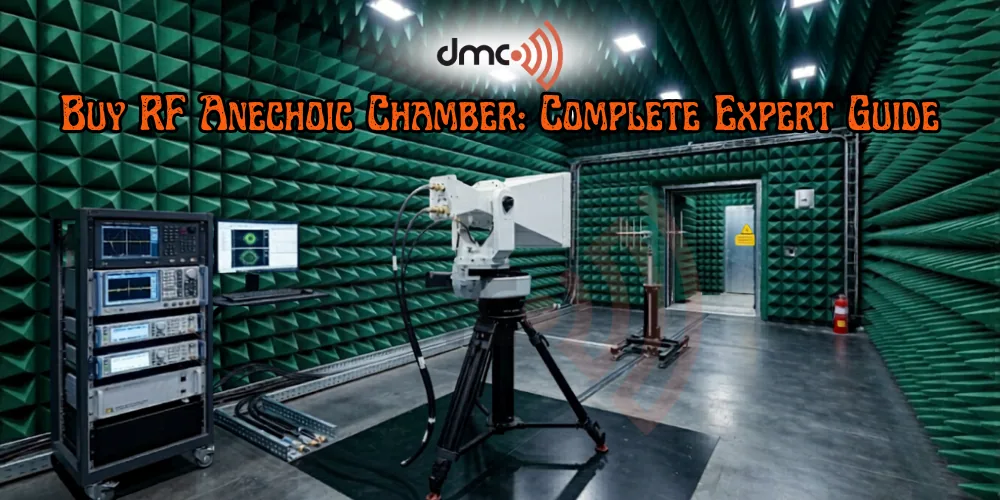
Table of Contents
- What is an RF Anechoic Chamber?
- Why RF Anechoic Chambers Are Essential Today
- How RF Anechoic Chambers Work
- Where to Buy RF Anechoic Chambers
If you are planning to Buy RF Anechoic Chamber, understanding the technical requirements, pricing, and features is essential for making the right investment. RF anechoic chambers are widely used for EMI/EMC testing, antenna measurement, and wireless device validation.
With the rapid growth of 5G, IoT, and wireless technologies, the demand for RF testing chambers has increased significantly. Choosing the right chamber ensures accurate results, regulatory compliance, and long-term cost savings.
What is an RF Anechoic Chamber?
An RF anechoic chamber is a specially designed enclosure that absorbs electromagnetic waves and blocks external RF signals. It creates a reflection-free environment for precise testing.
Main Functions
- Eliminates electromagnetic interference (EMI)
- Prevents signal reflections
- Provides controlled RF testing conditions
Applications
- EMI/EMC testing
- Antenna radiation testing
- Wireless device certification
- Automotive radar testing
- Aerospace and defense systems
Why RF Anechoic Chambers Are Essential Today
In today's connected world, electronic devices must meet strict compliance standards. Any interference can lead to product failure or legal issues.
Key Reasons to Invest
- Ensures EMI/EMC compliance
- Supports antenna radiation pattern testing
- Enhances product reliability
- Reduces external signal interference
- Enables certified testing environments
Industries Using RF Chambers
- Telecommunications
- Automotive (ADAS systems)
- Aerospace and defense
- Consumer electronics
How RF Anechoic Chambers Work
RF anechoic chambers function by absorbing electromagnetic waves using specialized materials.
Core Components
- RF shielding panels
- Ferrite tiles (low-frequency absorption)
- Pyramidal foam absorbers (high-frequency absorption)
- Shielded doors and filters
These elements work together to create a "reflection-free" testing environment.
Different RF Anechoic Chamber Configurations
Choosing the right configuration is critical.
Semi-Anechoic Chambers
- Reflective ground plane
- Used for EMI/EMC testing
- Cost-effective solution
Fully Anechoic Chambers
- Absorbers on all surfaces
- Ideal for antenna measurements
- High accuracy
Hybrid Chambers
- Combination of ferrite + foam absorbers
- Broad frequency coverage
Reverberation Chambers
- Used for immunity testing
- Not fully anechoic but important for compliance
Technical Specifications to Evaluate
Before you buy, evaluate these technical parameters carefully:
1. Frequency Range
Ensure the chamber supports your required spectrum:
- 30 MHz to 18 GHz (standard)
- Up to 40 GHz+ for advanced testing
2. Normalized Site Attenuation (NSA)
Indicates chamber accuracy for EMC testing.
3. Voltage Standing Wave Ratio (VSWR)
Lower VSWR ensures better absorption performance.
4. Shielding Effectiveness
Measured in dB:
- Typical: 90 dB - 120 dB
Cost Breakdown of RF Anechoic Chambers
| Factor | Cost Impact Level | Description |
|---|---|---|
| Chamber Size | High | Larger chambers cost more |
| Absorber Quality | High | Premium absorbers increase accuracy |
| Shielding Performance | Medium | Higher dB = higher cost |
| Customization | High | Tailored solutions increase price |
| Installation & Logistics | Medium | Includes setup and calibration |
Where to Buy RF Anechoic Chambers
You can purchase from global manufacturers or regional suppliers.
Top Suppliers
- Diamond Microwave Chambers Ltd
- ETS-Lindgren
- Frankonia EMC
- Microwave Vision Group (MVG)
- TDK Corporation
Always verify:
- Certifications
- Case studies
- After-sales support
Key Features That Add Value
When comparing options, look for:
- Modular design for scalability
- Integrated turntables and antenna masts
- Automated measurement systems
- Fire-retardant absorber materials
- Low maintenance requirements
Installation & Setup Guide
Proper installation is crucial for performance.
Steps Involved
- Site inspection and planning
- Structural preparation
- Shielding installation
- Absorber placement
- Calibration and validation
Time Required
- Small chambers: 3-5 weeks
- Large chambers: 8-16 weeks
Pro Tip
Don't just compare prices-compare performance metrics like VSWR, NSA, and shielding effectiveness. A cheaper chamber may fail compliance tests, costing more in the long run.
Future-Proofing Your Investment
Technology is evolving rapidly. Your RF chamber should support:
- 5G and mmWave testing
- Autonomous vehicle sensors
- Smart device ecosystems
- High-frequency applications
Choosing a scalable and upgradeable chamber ensures long-term value.
Advantages of Owning an RF Anechoic Chamber
- Full control over testing schedules
- Faster product development cycles
- Reduced third-party lab costs
- Enhanced confidentiality
Challenges to Consider
- High initial investment
- Space requirements
- Maintenance needs
- Skilled operation required
Buying an RF anechoic chamber is a strategic investment for any organization involved in electronics, wireless communication, or defense technologies. By understanding technical specifications, pricing factors, and installation requirements, you can select the best solution tailored to your needs.
A well-chosen RF chamber not only ensures compliance but also improves product performance and market readiness.
Leave a Reply