How Do RF Shielded Enclosures Work?
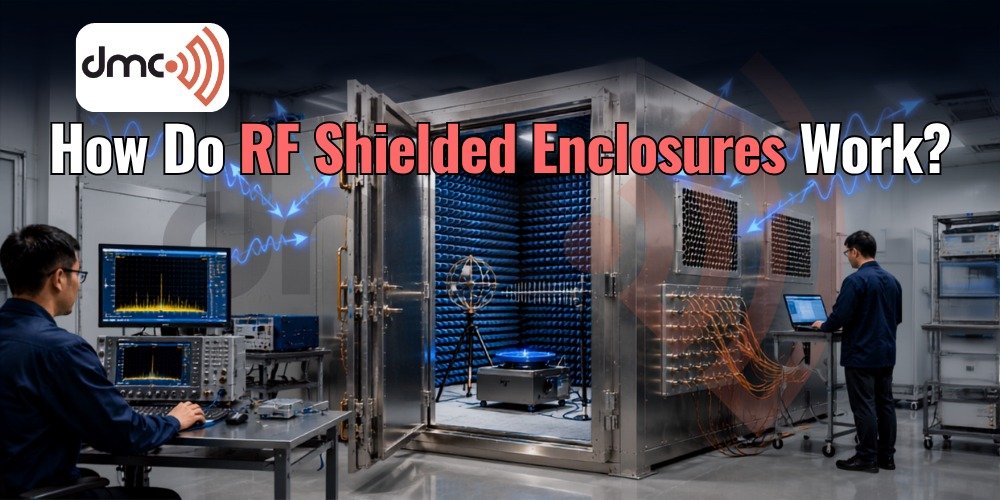
Table of Contents
- What is an RF Shielded Enclosure?
- Why RF Shielding is Important
- How Do RF Shielded Enclosures Work?
- Main Components of an RF Shielded Enclosure
- Shielding Materials Used
- Types of RF Shielded Enclosures
- Common Applications
- Benefits of RF Shielded Enclosures
- Factors to Consider When Choosing an RF Shielded Enclosure
Radio Frequency (RF) interference is one of the biggest challenges in today's wireless world. From smartphones and satellites to medical equipment and automotive electronics, nearly every electronic device emits or receives electromagnetic signals. These unwanted signals can interfere with equipment performance, cause inaccurate test results, and even compromise sensitive communications.
This is where RF Shielded Enclosures become essential.
An RF shielded enclosure is specially designed to block electromagnetic waves from entering or leaving a controlled environment. These enclosures create an interference-free space where engineers can perform accurate testing, secure communications, and protect sensitive electronics.
In this guide, you'll learn how RF shielded enclosures work, their construction, shielding principles, components, applications, advantages, and best practices for selecting the right enclosure.
What is an RF Shielded Enclosure?
An RF Shielded Enclosure is a metal structure designed to prevent radio frequency (RF) and electromagnetic interference (EMI) from passing through its walls.
It works similarly to a Faraday Cage, where conductive materials redirect electromagnetic waves around the enclosure instead of allowing them to penetrate inside.
The goal is simple:
- Block external RF signals
- Prevent internal signals from escaping
- Create a controlled electromagnetic environment
These enclosures are widely used in EMC laboratories, defense industries, aerospace testing, wireless device certification, medical equipment testing, and secure communication facilities.
Why RF Shielding is Important
Without proper shielding, electronic devices can experience several problems:
- Signal interference
- Data corruption
- Reduced wireless performance
- Failed EMC compliance tests
- Equipment malfunction
- Measurement inaccuracies
RF shielding ensures reliable testing and protects sensitive electronics from unwanted electromagnetic energy.
How Do RF Shielded Enclosures Work?
The working principle is based on electromagnetic shielding.
When an RF signal strikes the conductive surface of the enclosure, three things happen:
1. Reflection
Most electromagnetic waves are reflected away from the conductive surface.
Copper, aluminum, and galvanized steel have high electrical conductivity, making them excellent reflectors of RF energy.
2. Absorption
Some electromagnetic energy enters the shielding material.
The conductive metal converts this energy into tiny amounts of heat, reducing the strength of the signal.
3. Multiple Internal Reflections
If small portions of the RF wave penetrate the first layer, they bounce multiple times within the conductive material.
Each reflection reduces the wave's strength until it becomes negligible.
This combination of reflection, absorption, and repeated attenuation creates effective RF isolation.
Main Components of an RF Shielded Enclosure
| Component | Function |
|---|---|
| Conductive Walls | Block RF Signals |
| Shielded Door | Prevent Leakage Around Entry Points |
| Honeycomb Air Vents | Allow Ventilation While Blocking RF |
| RF Filters | Prevent Interference Through Power and Signal Lines |
| Waveguide Ventilation | Enables Airflow Without RF Leakage |
| Grounding System | Safely Dissipates Unwanted Electrical Energy |
| Shielded Windows | Provide Visibility While Maintaining Shielding |
| RF Gaskets | Seal Gaps Around Doors and Panels |
Shielding Materials Used
Different applications require different shielding materials.
| Material | Advantages | Typical Applications |
|---|---|---|
| Copper | Excellent Conductivity | High-Performance RF Labs |
| Aluminum | Lightweight | Aerospace |
| Galvanized Steel | Durable and Affordable | Industrial Testing |
| Stainless Steel | Corrosion Resistant | Outdoor Environments |
| Nickel-Coated Materials | High-Frequency Shielding | Military Equipment |
Types of RF Shielded Enclosures
Modular Shielded Rooms
Constructed using prefabricated panels.
Ideal for:
- EMC labs
- Research facilities
- Automotive testing
Portable RF Enclosures
Designed for temporary testing and mobile applications.
Used in:
- Field testing
- Military operations
- Temporary laboratories
Shielded Cabinets
Compact enclosures for testing individual devices.
Commonly used for:
- PCB testing
- Wireless module evaluation
- Small electronics
Anechoic RF Chambers
These combine RF shielding with absorbing materials.
Applications include:
- Antenna testing
- OTA testing
- EMC compliance
Common Applications
RF shielded enclosures are used across multiple industries.
Telecommunications
- Mobile phone testing
- 5G validation
- Base station development
Automotive
Modern vehicles contain dozens of wireless systems.
Shielded enclosures help test:
- Radar
- ADAS
- Bluetooth
- Keyless entry
- Vehicle antennas
Aerospace
Aircraft electronics require interference-free environments for testing navigation, communication, and radar systems.
Medical Equipment
Hospitals and manufacturers use RF shielding to protect:
- MRI systems
- Patient monitoring devices
- Medical imaging equipment
Defense
Military organizations use shielded rooms for:
- Secure communications
- Radar testing
- Electronic warfare
- Signal intelligence
Benefits of RF Shielded Enclosures
Accurate Testing
Provides repeatable and reliable RF measurements.
EMI Protection
Blocks unwanted electromagnetic interference.
Better Compliance
Helps products meet EMC standards such as:
- IEC
- CISPR
- MIL-STD
- FCC
- CE
Secure Communication
Prevents confidential RF transmissions from leaking outside the enclosure.
Improved Product Quality
Manufacturers can identify design issues before products reach customers.
Factors to Consider When Choosing an RF Shielded Enclosure
| Factor | Why It Matters |
|---|---|
| Shielding Effectiveness | Determines Attenuation Performance |
| Frequency Range | Different Materials Perform Differently Across Frequencies |
| Door Design | Prevents RF Leakage |
| Ventilation | Maintains Airflow Without Compromising Shielding |
| Cable Entry Filters | Stops Interference Through Wiring |
| Room Size | Depends on Equipment Dimensions |
| Compliance Standards | Meets Testing Requirements |
Consider the following before purchasing:
Pro Tip
Always choose an RF shielded enclosure with shielding effectiveness appropriate for your highest operating frequency. Even tiny gaps around doors, cable entries, or ventilation openings can significantly reduce performance. Regular maintenance of RF gaskets and filters helps maintain consistent shielding over time.
Common Challenges
Although RF shielded enclosures provide excellent isolation, they require proper maintenance.
Potential issues include:
- Worn door gaskets
- Loose grounding
- Damaged RF filters
- Corroded panels
- Improper cable routing
Routine inspections ensure long-term shielding performance.
RF shielded enclosures play a critical role in creating controlled electromagnetic environments for testing, research, and secure communications. By using conductive materials, specialized doors, RF filters, and ventilation systems, these enclosures effectively block unwanted electromagnetic interference while protecting sensitive equipment and ensuring accurate measurements.
Whether you're developing wireless devices, testing automotive electronics, validating medical equipment, or working in defense and aerospace, investing in a high-quality RF shielded enclosure improves reliability, compliance, and overall product performance.
Leave a Reply