RF Shielded Enclosures for Sale - What You Should Know Before Buying
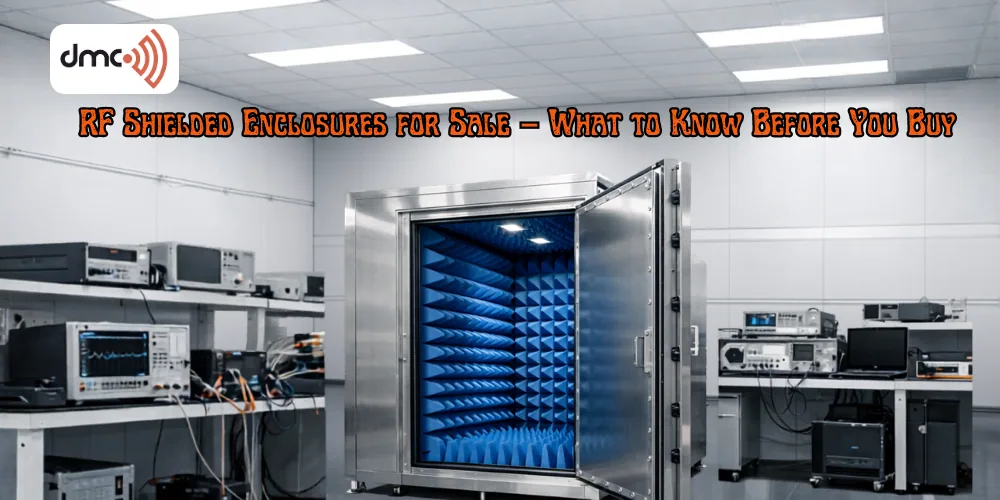
Table of Contents
- Understanding RF Shielded Enclosures (Simple Explanation)
- What Actually Matters When Buying
- How Much Do RF Shielded Enclosures Cost?
If you're searching for RF shielded enclosures for sale, chances are you're dealing with sensitive electronics, testing environments, or compliance requirements. Choosing the right enclosure isn't just about price - it's about performance, reliability, and long-term value.
In this guide, we'll walk you through what actually matters when buying an RF shielded enclosure, without the fluff.
Understanding RF Shielded Enclosures (Simple Explanation)
An RF shielded enclosure is designed to block electromagnetic signals. It creates a controlled environment where external interference is eliminated and internal signals are contained.
This is especially important in environments where even small signal disturbances can cause major issues - like testing labs, telecom setups, or medical facilities.
Where These Enclosures Are Actually Used
RF shielding isn't limited to one industry. It's used wherever signal accuracy matters:
- Testing labs working on EMC/EMI compliance
- Telecom companies testing antennas and wireless devices
- Hospitals using sensitive diagnostic equipment
- Defense environments requiring secure communication
- R&D labs developing electronic products
Types of RF Shielded Enclosures (Quick Breakdown)
Instead of over complicating, here's a practical view:
- Modular Rooms -> Best for labs, scalable, easy to install
- Portable Enclosures -> Good for small setups and field testing
- Anechoic Chambers -> High-end testing with sound + RF control
- Custom Enclosures -> Built for specific industrial needs
What Actually Matters When Buying
Forget generic feature lists - focus on these:
1. Shielding Performance (Most Important)
Measured in dB. Higher = better isolation.
- Basic use: 60-80 dB
- Professional labs: 80-100 dB
- Advanced testing: 100+ dB
2. Build Quality
Material directly impacts performance:
- Steel -> Budget-friendly
- Aluminium -> Balanced performance
- Copper -> Highest shielding efficiency
3. Leakage Control
Doors, seams, and joints are common weak points. Poor sealing = poor shielding.
4. Ventilation & Filters
Airflow is needed, but it should not compromise shielding. Good systems include RF filters.
Quick Comparison (Easy View)
| Use Case | Recommended Type | Shielding Level | Budget Range |
|---|---|---|---|
| Basic Testing | Portable | 60-80 dB | Rs 2L - Rs 5L |
| Lab Setup | Modular Room | 80-100 dB | Rs 5L - Rs 15L |
| Advanced R&D | Custom Chamber | 100+ dB | Rs 15L+ |
How Much Do RF Shielded Enclosures Cost?
Let's keep it real - pricing varies a lot.
- Small enclosures -> Rs 2-5 lakhs
- Medium lab setups -> Rs 5-15 lakhs
- Large/custom systems -> Rs 15 lakhs and above
What increases cost:
- Higher shielding performance
- Custom size/design
- Advanced filtering systems
- Installation requirements
Common Buying Mistakes
Many buyers regret these:
- Choosing based only on price
- Ignoring shielding test reports
- Overlooking installation requirements
- Not planning for future expansion
- Buying without compliance standards
Pro Tip
Don't just trust specifications - always ask for a live shielding effectiveness test or certification report. This is the fastest way to avoid low-quality enclosures.
How to Choose the Right One (Simple Method)
Use this quick checklist:
- What are you testing or protecting?
- How much shielding (dB) do you actually need?
- How much space do you have?
- Do you need portability or a permanent setup?
- Will your needs grow in the next 1-2 years?
Answer these, and your decision becomes much easier.
RF shielded enclosures are not a one-size-fits-all product. The right choice depends on your application, environment, and future requirements.
If you choose carefully, it's a long-term investment that improves accuracy, protects equipment, and ensures compliance - all in one go.
Leave a Reply