Why Should You Invest in EMC Chambers?
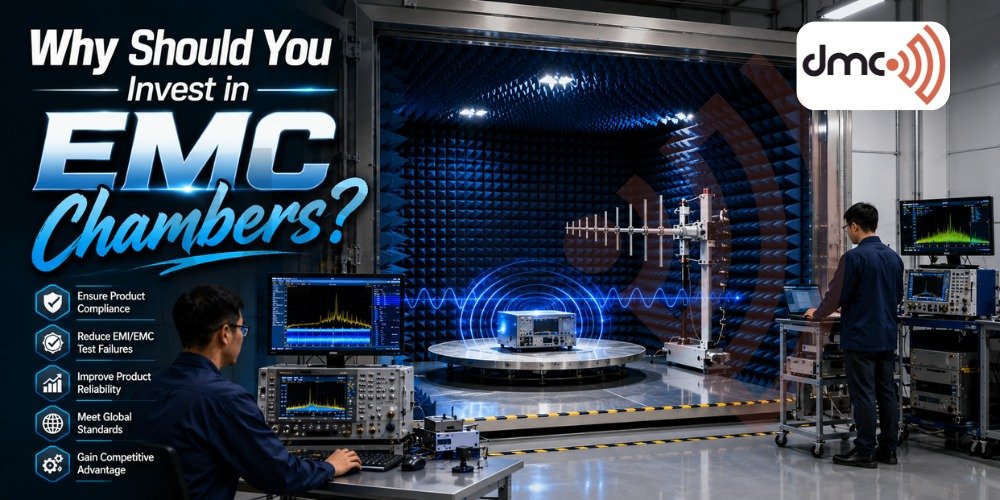
Table of Contents
- What is an EMC Chamber?
- Why EMC Testing Matters
- Top Reasons to Invest in an EMC Chamber
- Types of EMC Chambers
- Industries That Benefit from EMC Chambers
- Cost vs. Long-Term Value
- How to Choose the Right EMC Chamber
In today's connected world, electronic devices are everywhere—from smartphones and medical equipment to electric vehicles, aerospace systems, industrial automation, and IoT products. As these technologies become more advanced, ensuring they operate without causing or experiencing electromagnetic interference (EMI) is more important than ever.
This is where EMC Chambers play a vital role. These specialized testing environments help manufacturers evaluate how electronic products behave under electromagnetic conditions while ensuring compliance with international EMC standards.
Investing in an EMC chamber is not just about meeting regulatory requirements. It is a strategic decision that improves product quality, reduces development costs, speeds up certification, and enhances customer trust.
In this guide, you'll learn why businesses should invest in EMC chambers, how they work, their key benefits, common applications, and the factors to consider before making an investment.
What is an EMC Chamber?
An EMC Chamber is a specially designed testing facility that provides a controlled electromagnetic environment for evaluating electronic devices. It blocks unwanted external electromagnetic signals while preventing internal emissions from escaping.
Depending on the application, EMC chambers may include:
- RF shielded walls
- RF absorbing materials
- Shielded doors
- Honeycomb ventilation panels
- Filtered cable entry systems
- Grounding systems
- Turntables and antenna masts for testing
These features allow engineers to conduct accurate EMI and EMC tests under repeatable conditions.
Why EMC Testing Matters
Every electronic product generates electromagnetic energy. If this energy is not properly controlled, it can interfere with nearby devices, leading to performance issues, communication failures, or even safety risks.
EMC testing helps manufacturers:
- Verify product performance
- Meet regulatory standards
- Prevent electromagnetic interference
- Improve reliability
- Reduce field failures
- Ensure customer satisfaction
Without proper EMC testing, products may fail certification or require costly redesigns after production.
Top Reasons to Invest in an EMC Chamber
1. Ensure Compliance with International Standards
Products sold globally must comply with EMC regulations such as:
- CISPR
- IEC
- FCC
- CE
- MIL-STD
- ISO automotive standards
An EMC chamber provides the controlled environment needed to perform these compliance tests accurately, reducing the risk of certification failures.
2. Improve Product Quality
Testing products in an EMC chamber allows engineers to identify electromagnetic issues early in the design process. Problems such as excessive emissions or susceptibility to interference can be corrected before the product reaches customers.
This leads to:
- Better reliability
- Higher performance
- Reduced warranty claims
- Improved customer confidence
3. Reduce Development Costs
Finding EMC issues after production can be extremely expensive.
An in-house EMC chamber enables:
- Faster troubleshooting
- Early design validation
- Fewer product redesigns
- Reduced outsourcing costs
Over time, this investment significantly lowers development expenses.
4. Accelerate Product Development
Waiting for third-party laboratories often delays product launches.
With your own EMC chamber, engineers can:
- Perform tests immediately
- Validate design changes quickly
- Repeat tests whenever necessary
- Speed up certification readiness
This helps reduce time-to-market.
5. Protect Sensitive Electronics
An EMC chamber shields testing from external electromagnetic interference, ensuring accurate and repeatable measurements.
This is especially important for:
- Wireless communication devices
- Medical electronics
- Aerospace systems
- Automotive electronics
Benefits of Investing in EMC Chambers
| Benefit | Business Impact |
|---|---|
| Faster Testing | Reduces Project Timelines |
| Regulatory Compliance | Supports Global Product Certification |
| Cost Savings | Minimizes Redesign and Outsourcing Expenses |
| Higher Product Quality | Detects Issues Early in Development |
| Accurate Measurements | Provides Repeatable Testing Conditions |
| Competitive Advantage | Accelerates Product Launches |
| Better Customer Trust | Delivers Reliable, Compliant Products |
Types of EMC Chambers
| Chamber Type | Primary Use |
|---|---|
| Semi-Anechoic Chamber | EMI Emissions Testing |
| Fully Anechoic Chamber | Antenna and Wireless Testing |
| RF Shielded Room | Secure Electromagnetic Isolation |
| Reverberation Chamber | Immunity Testing |
| GTEM Cell | Pre-Compliance Testing |
| Compact EMC Chamber | Small Electronic Devices |
Selecting the right chamber depends on product size, frequency range, testing standards, and available space.
Industries That Benefit from EMC Chambers
Automotive
Modern vehicles contain radar systems, infotainment units, ADAS, GPS, Bluetooth, Wi-Fi, and electric powertrains. EMC chambers ensure these systems work together without interference.
Aerospace and Defense
Aircraft and defense systems require highly reliable communication and navigation equipment. EMC testing verifies performance in demanding electromagnetic environments.
Medical Devices
Medical equipment such as MRI machines, infusion pumps, patient monitors, and imaging systems must operate safely around other electronic devices.
Consumer Electronics
Manufacturers of smartphones, laptops, wearables, and smart home devices use EMC chambers to validate wireless performance and meet international regulations.
Industrial Automation
Factories increasingly rely on robotics, PLCs, IoT sensors, and automation systems. EMC chambers help ensure uninterrupted operation in electrically noisy environments.
Cost vs. Long-Term Value
Although an EMC chamber requires a significant initial investment, the long-term return is substantial.
| Investment Area | Long-Term Value |
|---|---|
| In-house Testing | Reduces Dependency on External Labs |
| Faster Development | Speeds Up Product Launches |
| Improved Reliability | Lowers Warranty and Support Costs |
| Compliance Readiness | Minimizes Certification Delays |
| Better Quality | Enhances Brand Reputation |
Organizations that frequently develop electronic products often recover their investment through reduced testing costs and faster commercialization.
Pro Tip:
If your company regularly develops or certifies electronic products, investing in an in-house EMC chamber can provide a significant competitive advantage. It allows continuous testing throughout the design cycle, reducing certification risks, improving product quality, and shortening time-to-market.
How to Choose the Right EMC Chamber
Before purchasing an EMC chamber, evaluate the following factors:
| Consideration | Importance |
|---|---|
| Frequency Range | Must Support Your Testing Requirements |
| Chamber Size | Should Accommodate Your Largest Product |
| Shielding Effectiveness | Ensures Accurate Measurements |
| Compliance Standards | Meets Applicable Regulations |
| Future Expansion | Supports Evolving Technologies |
| Maintenance Requirements | Reduces Long-Term Operational Costs |
| Budget | Balances Features with ROI |
Consulting with experienced EMC chamber manufacturers can help identify the best solution for your application.
Investing in an EMC chamber is more than a compliance decision—it is a long-term investment in product quality, innovation, and business growth. By enabling accurate testing, reducing development costs, accelerating product launches, and ensuring regulatory compliance, EMC chambers help manufacturers deliver reliable electronic products to the global market.
Whether you operate in automotive, aerospace, medical, telecommunications, or consumer electronics, an EMC chamber strengthens your testing capabilities and provides a clear competitive advantage in today's technology-driven industry.
Leave a Reply